
Food, Recipes and Travel Adventure from the Emerald lsle



- Online Store
- Our Favorite Irish Food Products
- Irish Beverages
- Irish Coffee and Tea
- Irish Jams
- Irish Bread and Scones
- Irish Cheese
- Irish Appetizers
- Irish Deli
- Irish Mustards
- Irish Relishes & Sauces
- Irish Cookies and Cakes
- Irish Candy
- Chocolate Lovers Page
- Butlers Irish Chocolates
- Irish Chocolate
- Irish Food Gifts - Baskets, Boxes & Boards
- Irish Food Recipes
- Irish Entree Recipes
- Irish Broccoli & Cheese Pie
- Tyna's Favorite Pizza Crust
- Tyna's Tangy Tomato & Cheese Pizza
- Baked Ham with Pineapple & Brown Sugar Glaze
- Bacon & Cabbage
- Grilled Bacon (Rashers) Lettuce & Tomato Sandwiches
- Popover Pudding with Irish Bacon
- Grilled Irish Sausages (Bangers)
- Irish Apple Maple Pork Chops
- Spareribs with Mango Chutney Marinade
- Chicken Breasts with Apple-Cherry Chutney
- Herbed Mustard Chicken
- Irish Roast Turkey with Chestnut and Prune Stuffing
- Irish Turkey Pie
- Tyna's Famous Roast Turkey
- Tyna's Sweet Loaf
- Beef and Guinness Pie
- Beef Pot Roast with Beans in Red Wine
- Family Secret Steak Marinade
- Irish Corned Beef Dinner
- Roast Prime Rib with Spinach Porcini Stuffing
- Grilled Salmon
- Seared Salmon with Raison and Caper Butter
- Irish Casserole Recipes
- Irish Side Dish Recipes
- Boxtie
- Tyna's Potato Pancakes
- Homemade French Fries
- Irish Accordian Potatoes
- Tyna's Grilled Potato Halves
- Mashed Potatoes and Parsley Sauce
- Mustard Scalloped Potatoes
- Roasted Mustard Potatoes
- Potato & Leek Bake
- Irish Sweet Potato Bake
- Maple Candied Sweet Potatoes
- Roast Sweet Potatoes
- Glazed Carrots
- Orange Glazed Carrots
- Sauteed Zucchini & Summer Squash
- Tangy Shredded Beets
- Tyna's Homemade Baked Beans
- Irish Dressed Cabbage
- Irish Pub Salad
- Tyna's Cool Carrot Salad
- Tyna's Homemade Coleslaw
- Tyna's Irish Egg & Potato Salad
- Tyna's Macaroni Salad With Crabmeat
- Tyna's Famous Turkey Stuffing
- Irish Appetizer Recipes
- Deviled Eggs
- Sweet & Spicy Snack Mix
- Irish Chedder Triangles
- Irish Cheese Bites with Chutney
- Parsley Cheese Ball
- Autumn Veggie Platter
- Crispy Irish Parsnips
- Irish Leek & Swiss Tarts
- Guinness Batter Onion Rings
- Wild Rice & Barley Stuffed Mushrooms
- Irish Bangers in a Blanket
- Irish Sausage Kebabs
- Irish Shillelagh Sticks
- Salami Rolls
- Irish Chicken Wings with Guinness
- Teriyaki Chicken Wings
- Prawn Bundles with Herb Mayonnaise
- Irish Drink Recipes
- Irish Soup & Stew Recipes
- Autumn Harvest Bisque
- Chunky Irish Potato and Leek Soup
- Potato and Leek Soup
- Fresh Vegetable Soup
- Irish Carrot Soup
- Parmesan Corn Chowder
- Quick Borsch
- Tyna's Summer Beet Soup
- Chunky Bacon and Cabbage Soup
- Dublin Coddle
- Tyna's Chunky Pea Soup with Ham
- Irish Fisherman's Chowder
- Guinness Chicken Stew
- Tyna's Beef Barley Stew
- Tyna's Calico Chili
- Irish Bread & Scone Recipes
- Irish Pie Recipes
- Irish Cookie and Bar Recipes
- Celtic Spiral Cookies
- Pinwheels and Checkboards
- Easter Sugar Cookies
- Halloween Sugar Cookies
- Shamrock Sugar Cookies
- Cherry Cordial Cookies
- Chocolate Carmel Cookies
- Chocolate Pots with Crunchy Irish Oatmeal Cookies
- Oat-Nut-Raisin Chippers
- Oatmeal Maple Drop Cookies
- Gingerbread Teddy Bears
- Irish Tea Cakes
- Mint Chocolate Clouds
- Peanut Butter Mice
- Springerle Cookies
- Irish Flag Bars
- Fruit & Oat Bars
- Irish Chocolate Mint Squares
- Irish Cream Brownies
- Chocolate Walnut Brownies
- Irish Candy Recipes
- Chunky Fruit & Nut Fudge
- Irish Cream Coffee Fudge
- Irish Fifteens Bonbons
- Peanut Butter Bonbons
- Maple Caramels
- Chocolate Irish Cream Truffles
- Double Dark Chocolate Truffles
- Molded Candy For Halloween
- Maple Popcorn Balls
- Cinnamon Popcorn Balls
- Mom's Summer Cracker Jack
- Maple Caramel Apples
- Maple Candied Apples
- Irish Cakes and Frosting Recipes
- Irish Wedding Cake
- Traditional Irish Christmas Cake
- Irish Rasberry Vanilla Cake
- Apple & Blackberry Cake with Irish Whiskey Custard
- Porter Cake
- Irish Whiskey Cake
- Irish Vanilla Christmas Sponge Cake
- Irish Carrot-Raisin Cake with Irish Cream Frosting
- Irish Lemon Carrot Cake for Mother's Day
- Tyna's Snow-Capped Lemon Fairy Cakes
- Irish Apple Cake
- Chocolate Irish Cream Truffle Cake
- Irish Cream Chocolate Mousse Cake
- Guinness Stout Chocolate Layer Cake
- Chocolate Mayonnaise Cake
- Bunny Cake
- Tyna's Two Christmas Cakes in One
- No-Bake Layered Ice Cream Cake
- Best Buttercream Frosting
- Mrs. Milman's Dark Choclate Frosting
- Bailey's Irish Cream Cheesecake
- Irish Whiskey Eggnog Cheesecake
- Quick Cherry & Cream Cheese Dessert Cake
- Deluxe Holiday Cheesecake
- Tyna's Lemon Topped Mini Cheesecakes
- Irish Dessert Recipes
- Irish Cream Pudding Parfaits with Oatmeal-Walnut Crunch
- Irish Mince Tartlets
- Irish Applesauce Spice Cake Fancies
- Christmas Bread Pudding
- Mothers' Christmas Plum Pudding
- Pumpkin & Cream Cheese Roll
- Creamy Irish Rice Pudding
- Maple Apple Dessert
- Chocolate Box with Berries & Cream
- Grandmother's Torte
- Tyna's Irish Cream Coffee Torte
- Pavlova
- Guinness and Irish Whiskey Recipes
- Irish Entree Recipes
- Irish Food History
- Boxtie or Boxty?
- History of Bailey's Irish Cream
- History of Corned Beef and Cabbage
- History of Irish Soda Bread
- Irish-Cookery
- Irish Food Newsletter
- 2011 Newsletters
- 2010 Newsletters
- 2009 Newsletters
- 2008 Newsletters
- 2007 Newsletters
- 2006 Newsletters
- Online Store


- Ireland
- Irish Sites to See
- Irish Cities
- Ireland's Rivers
- Flights to Ireland
- Ireland Accommodations
- Irish Castle Accommodations
- Tyna's Ireland Travel Tips
- Bord Failte - Bureau of Ireland Travel
- Ireland Travel Stories
- The Holidays in Ireland 2009
- Summer 2007
- March 2007
- November 2006
- Arriving in Ireland
- The Graveyard Search
- The Thomas Casey Family
- The Bohans of Rynn
- O'Brien's Tavern
- A Night With Old Friends
- Mary Burke, Willia & The Boys
- Arnold Fitzpatrick
- Lough Rynn Castle
- Shopping in Connacht
- The Willett
- Where is John Reynolds?
- The Dance
- Departure: Glebe Street / Arrival: Kiltale House
- Adventures In County Meath
- Visiting With The Lydons
- March 2005
- Summer 1998
- April 1998
- Tell us YOUR Ireland Travel Story

- Irish Traditions
- Irish Celebrations
- St. Valentine's Day in Ireland
- St. Patrick's Day
- Irish Easter Traditions
- Irish Daffodil Day
- Irish National Famine Memorial Day
- The Irish and All Hallows Eve
- Irish Christmas
- Ireland's Rose of Tralee International Festival
- Celtic Holidays in Ireland
- Ancient Irish Wedding Customs
- Ireland and the Word 'Holiday'
- How to Throw an Irish Party
- Irish Poetry
- Irish Treasures
- The Irish Book of Kells
- The Shrine pf St. Patrick's Bell
- The Irish Shillelagh
- Ancient Irish Weaponry
- Ancient Irish Relics
- History of the Irish Cross
- Irish History of the Tara Brooch
- History of the Irish Claddagh
- History of the Irish Knit Sweater
- The History of Irish Wade Pottery
- The History of Irish Kilt
- The History of Belleek Irish Porcelain
- The History of the Irish Linen
- The History of the Irish Lace
- Irish Waterford Crystal
- Irish Music
- Irish Organizations
- Native Irish Dog Breeds

- Irish History
- Northern Ireland National Anthems
- The Irish National Anthem
- Irish Immigrants in America
- History of Irish Guinness Stout
- The History of Irish Whiskey
- The Irish English Language
- The Irish Gaels
- Ancient Irish Writing - Ogham
- History of the Irish Flag: The Republic of Ireland
- The Free University of Ireland or Saor-Ollscoil Na hÉireann
- History of Irish Dance
- Irish Saints
- The Irish in Australia
- The Titanic and Ireland
- Custom of the Irish Matchmaker
- History of the Irish Defence Forces
- Irish Legends and Myths
- The Legend of The Irish Banshee
- The High Kings of Ireland
- Celtic Queen Medb of Connaught
- The Myth About Irish Knit Sweaters
- The Irish Legend of Deirdre of the Sorrows
- Ghost watch in Ireland: The Helena Blunden Story
- The Irish Legend of the Fairy Race
- The Fairies' Revenge
- The Irish Phouka
- The Irish Legend of Finn MacCoul
- Finn MacCoul and The Salmon of Knowledge
- Finn MacCoul and The Isle of Man
- Finn MacCoul and The Giants Causeway
- How Finn MacCoul and His Men Were Bewitched
- Research Irish Heritage
- Irish History


Irish Sports
Irish sports are popular and widespread. Participation and spectating levels
are high but, as in other western regions, participation has been dropping
due to the increasing popularity of other activities such as computer games.
Throughout the country a wide variety of sports are played, the most popular
being Gaelic games such as Gaelic football, hurling, association football and
camogie. Camogie is the women's equivalent of hurling with slightly different
rules. By attendance figures, Gaelic football is the most popular sport in Ireland.
Occasionally known as Gaelic, Gah, GAA or just football, sometimes to avoid confusion with association football, this game, along with hurling, is considered the national sport of Ireland. Though it has existed for centuries in Ireland as Caid, Gaelic football was formally arranged into an organized playing code by the Gaelic Athletic Association (GAA) in the late nineteenth century. It is the most popular sport in Ireland in terms of match attendance. In the senior football championship, in the summer attendance is upwards of 80,000 for some of the more prestigious fixtures. In 2003 for example, 34 percent of all attendances to sports events in Ireland were to Gaelic football matches.
The game is played at underage, minor (under 18), under 21 and adult levels. All players are amateur, although players at a high level may receive income from sources such as sponsorship and grants. Every Gaelic footballer plays for a local club or parish team, and the best are chosen for the inter-county sides. There is great pride associated with playing for a county team in Ireland. County players may be chosen to play in inter-provincial 'Railway Cup' games or for the 'International Rules' team to face Australia. However, the main national competitions are the inter-county All-Ireland Senior Football Championship and National Football League.
A football year starts with pre-season competitions and the NFL. In early summer, the Championship begins. Each of the four provinces has its own tournament, and teams which are knocked out must do well in the 'qualifiers' if they are to gain a spot along with the four Provincial Champions in the All-Ireland quarter-finals. The All-Ireland Senior Football final is traditionally held on the third Sunday in September. Kerry's team is football's most successful and is the current All-Ireland Champion. There are many rivalries within the game in Ireland, and an example is that between Dublin and Meath. Other notable teams include Tyrone and Armagh.
Hurling is a sport native to Ireland, organized by the Gaelic Athletic Association. In terms of attendance figures, hurling is second only to Gaelic football. Hurling is its closest rival with 23 percent of attendances.
The game has similarities to shinty, something like field hockey and hockey. However, the ball or sliotar, is rarely played along the ground. Hurling is also played on a large pitch and is considerably faster than hockey.
Many aspects of the organization of hurling are similar to football, as both sports are organized by the GAA. Amateurism and the club/county/province structure are similar. Hurling is well-attended and the most prestigious games fill Croke Park (Europe's fourth largest stadium), in Dublin, to its capacity of well over 80,000. The main competitions are the All-Ireland Senior Hurling Championship and the National Hurling League (NHL). As with football, pre-season competitions and the League are over by early summer. The Provincial Championships and Qualifiers are then played, followed by the All-Ireland Series. The All-Ireland Hurling Final is traditionally held on the first Sunday in September of each year. The most successful teams have been Cork and Kilkenny. Kilkenny has won the last two championships and is currently regarded as the top team. Other notable teams include Tipperary and Waterford.
Association football in Northern Ireland and Association football in the Republic of Ireland, often known as soccer to avoid confusion with Gaelic football, or sometimes just football, is the most keenly supported international sport. Despite low match attendance at domestic league games, many people have an interest in the English Premier League or the Scottish Premier League. Football is played at all levels, with kids playing it on the street, teenagers playing in local clubs, and even-middle aged men playing it with co-workers on a regular basis. Association football is the largest participation team sport in Ireland. The national body in the Republic of Ireland is the Football Association of Ireland (FAI) while the national body in Northern Ireland is the older Irish Football Association (IFA).
Some of the major teams in Ireland include Shamrock Rovers F.C., Cork City F.C., Drogheda United and Bohemian F.C. in the Republic; Glentoran FC and Linfield FC in Northern Ireland; and Derry City, a team from the North who play in the FAI League. Due to the financial incentives abroad, most of Ireland's top players, such as Damien Duff and Robbie Keane, play in the leagues of larger European countries, particularly in England and Scotland. This, along with the Irish media's huge coverage of the English League, is one of the reasons why Irish people tend to support leading British clubs such as Manchester United, Liverpool, Celtic and Rangers. Rarely does a player from the Republic's domestic league make the national team, the most recent of these being Jason Byrne in 2006, although occasional appearances of Irish League players for Northern Ireland have been known.
On the international stage, the Republic of Ireland, despite never winning a major tournament, has had many successful games in recent years, notably drawing with Brazil and Portugal. Northern Ireland's international team, despite a poor run of form in the late 1990's and first few years of the 21st century, and a corresponding slump in the FIFA World Rankings, enjoyed great success in the early and mid-1980's and recently has had a revival in its fortunes under former manager Lawrie Sanchez, with home wins over Spain and England.
The Milk Cup is a successful international youth tournament held annually in Northern Ireland, in which clubs and national teams from anywhere in the world may compete. Northern Ireland also played host to the 2005 UEFA Under-19 European Championships.
The Setanta Sports Cup was set up by its sponsors, television channel Setanta Ireland. It is an all-island mini-world cup style tournament (two groups of four, then semis and final) featuring eight teams, four being from the League of Ireland and four from the Irish League. Despite fairly low turnouts for each jurisdiction's leagues, the Setanta Cup has so far drawn relatively successful gate receipts. This had led to calls for an All-Ireland football league to be established.
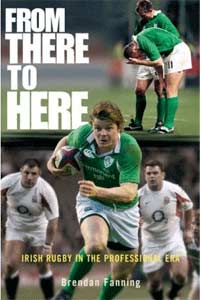
Of course, there are many other team sports played in Ireland, such as rugby, cricket, Gaelic handball, basketball and even baseball. Other lesser known team sports are road bowling, tug of war, hockey, ice hockey, softball and rounders, which is regulated by the Gaelic Athletic Association (GAA) in Ireland, and is not dissimilar to baseball.
We all know that golf and fishing are the two favorite sports for individuals. Some people take part in athletics, which is basically track and field sports, while others participate in equestrianism, boxing, cycling, the racquet sports of tennis, badminton and squash, and the water sports of canoeing, swimming, surfing, diving, water polo, sailing, kayaking, and scuba diving. Interest in extreme sports such as skateboarding, rollerblading, surfing, BMX, mountain biking and mountain boarding have shown growth recently. The triathlon, as well as the duathlon, pentathlon, and decathlon, are also rapidly gaining interest. Ireland is no different in sportsmanship than in any other country and they are extremely supportive and enthusiastic, and will show pride for their team, win or lose.
 |
Occasionally known as Gaelic, Gah, GAA or just football, sometimes to avoid confusion with association football, this game, along with hurling, is considered the national sport of Ireland. Though it has existed for centuries in Ireland as Caid, Gaelic football was formally arranged into an organized playing code by the Gaelic Athletic Association (GAA) in the late nineteenth century. It is the most popular sport in Ireland in terms of match attendance. In the senior football championship, in the summer attendance is upwards of 80,000 for some of the more prestigious fixtures. In 2003 for example, 34 percent of all attendances to sports events in Ireland were to Gaelic football matches.
The game is played at underage, minor (under 18), under 21 and adult levels. All players are amateur, although players at a high level may receive income from sources such as sponsorship and grants. Every Gaelic footballer plays for a local club or parish team, and the best are chosen for the inter-county sides. There is great pride associated with playing for a county team in Ireland. County players may be chosen to play in inter-provincial 'Railway Cup' games or for the 'International Rules' team to face Australia. However, the main national competitions are the inter-county All-Ireland Senior Football Championship and National Football League.
A football year starts with pre-season competitions and the NFL. In early summer, the Championship begins. Each of the four provinces has its own tournament, and teams which are knocked out must do well in the 'qualifiers' if they are to gain a spot along with the four Provincial Champions in the All-Ireland quarter-finals. The All-Ireland Senior Football final is traditionally held on the third Sunday in September. Kerry's team is football's most successful and is the current All-Ireland Champion. There are many rivalries within the game in Ireland, and an example is that between Dublin and Meath. Other notable teams include Tyrone and Armagh.
Hurling is a sport native to Ireland, organized by the Gaelic Athletic Association. In terms of attendance figures, hurling is second only to Gaelic football. Hurling is its closest rival with 23 percent of attendances.
The game has similarities to shinty, something like field hockey and hockey. However, the ball or sliotar, is rarely played along the ground. Hurling is also played on a large pitch and is considerably faster than hockey.
Many aspects of the organization of hurling are similar to football, as both sports are organized by the GAA. Amateurism and the club/county/province structure are similar. Hurling is well-attended and the most prestigious games fill Croke Park (Europe's fourth largest stadium), in Dublin, to its capacity of well over 80,000. The main competitions are the All-Ireland Senior Hurling Championship and the National Hurling League (NHL). As with football, pre-season competitions and the League are over by early summer. The Provincial Championships and Qualifiers are then played, followed by the All-Ireland Series. The All-Ireland Hurling Final is traditionally held on the first Sunday in September of each year. The most successful teams have been Cork and Kilkenny. Kilkenny has won the last two championships and is currently regarded as the top team. Other notable teams include Tipperary and Waterford.
Association football in Northern Ireland and Association football in the Republic of Ireland, often known as soccer to avoid confusion with Gaelic football, or sometimes just football, is the most keenly supported international sport. Despite low match attendance at domestic league games, many people have an interest in the English Premier League or the Scottish Premier League. Football is played at all levels, with kids playing it on the street, teenagers playing in local clubs, and even-middle aged men playing it with co-workers on a regular basis. Association football is the largest participation team sport in Ireland. The national body in the Republic of Ireland is the Football Association of Ireland (FAI) while the national body in Northern Ireland is the older Irish Football Association (IFA).
Some of the major teams in Ireland include Shamrock Rovers F.C., Cork City F.C., Drogheda United and Bohemian F.C. in the Republic; Glentoran FC and Linfield FC in Northern Ireland; and Derry City, a team from the North who play in the FAI League. Due to the financial incentives abroad, most of Ireland's top players, such as Damien Duff and Robbie Keane, play in the leagues of larger European countries, particularly in England and Scotland. This, along with the Irish media's huge coverage of the English League, is one of the reasons why Irish people tend to support leading British clubs such as Manchester United, Liverpool, Celtic and Rangers. Rarely does a player from the Republic's domestic league make the national team, the most recent of these being Jason Byrne in 2006, although occasional appearances of Irish League players for Northern Ireland have been known.
 |
On the international stage, the Republic of Ireland, despite never winning a major tournament, has had many successful games in recent years, notably drawing with Brazil and Portugal. Northern Ireland's international team, despite a poor run of form in the late 1990's and first few years of the 21st century, and a corresponding slump in the FIFA World Rankings, enjoyed great success in the early and mid-1980's and recently has had a revival in its fortunes under former manager Lawrie Sanchez, with home wins over Spain and England.
The Milk Cup is a successful international youth tournament held annually in Northern Ireland, in which clubs and national teams from anywhere in the world may compete. Northern Ireland also played host to the 2005 UEFA Under-19 European Championships.
The Setanta Sports Cup was set up by its sponsors, television channel Setanta Ireland. It is an all-island mini-world cup style tournament (two groups of four, then semis and final) featuring eight teams, four being from the League of Ireland and four from the Irish League. Despite fairly low turnouts for each jurisdiction's leagues, the Setanta Cup has so far drawn relatively successful gate receipts. This had led to calls for an All-Ireland football league to be established.
Of course, there are many other team sports played in Ireland, such as rugby, cricket, Gaelic handball, basketball and even baseball. Other lesser known team sports are road bowling, tug of war, hockey, ice hockey, softball and rounders, which is regulated by the Gaelic Athletic Association (GAA) in Ireland, and is not dissimilar to baseball.
We all know that golf and fishing are the two favorite sports for individuals. Some people take part in athletics, which is basically track and field sports, while others participate in equestrianism, boxing, cycling, the racquet sports of tennis, badminton and squash, and the water sports of canoeing, swimming, surfing, diving, water polo, sailing, kayaking, and scuba diving. Interest in extreme sports such as skateboarding, rollerblading, surfing, BMX, mountain biking and mountain boarding have shown growth recently. The triathlon, as well as the duathlon, pentathlon, and decathlon, are also rapidly gaining interest. Ireland is no different in sportsmanship than in any other country and they are extremely supportive and enthusiastic, and will show pride for their team, win or lose.

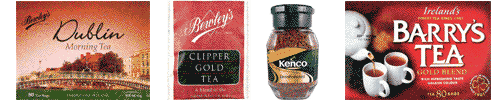
Irish Coffee & Tea
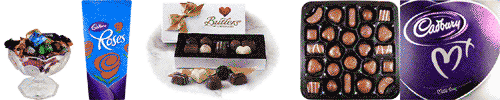
Irish Chocolate

Become a fan of LittleShamrocks.com
on FaceBook

An Lar Community Television Ireland

Irish Immersion Pro
A Simple Way to Master the Irish Language
Slash Your Energy Bill
Wind & Solar Power
How-to Guides

Wind & Solar Power
How-to Guides
WATERFORD
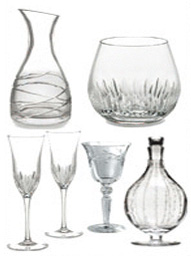

Terry's Favorite
Ireland Book!
Ireland: History,
Culture, People
Ireland Book!
Ireland: History,
Culture, People
Buy Maple Syrup
& Maple Candy
Disclaimer: LittleShamrocks.com is an affiliate website that receives commissions from sales of the products listed. We have purchased and sampled many, but not all, of the products on these pages.

© Copyright LittleShamrocks.com. All Rights Reserved.