
Food, Recipes and Travel Adventure from the Emerald lsle



- Online Store
- Our Favorite Irish Food Products
- Irish Beverages
- Irish Coffee and Tea
- Irish Jams
- Irish Bread and Scones
- Irish Cheese
- Irish Appetizers
- Irish Deli
- Irish Mustards
- Irish Relishes & Sauces
- Irish Cookies and Cakes
- Irish Candy
- Chocolate Lovers Page
- Butlers Irish Chocolates
- Irish Chocolate
- Irish Food Gifts - Baskets, Boxes & Boards
- Irish Food Recipes
- Irish Entree Recipes
- Irish Broccoli & Cheese Pie
- Tyna's Favorite Pizza Crust
- Tyna's Tangy Tomato & Cheese Pizza
- Baked Ham with Pineapple & Brown Sugar Glaze
- Bacon & Cabbage
- Grilled Bacon (Rashers) Lettuce & Tomato Sandwiches
- Popover Pudding with Irish Bacon
- Grilled Irish Sausages (Bangers)
- Irish Apple Maple Pork Chops
- Spareribs with Mango Chutney Marinade
- Chicken Breasts with Apple-Cherry Chutney
- Herbed Mustard Chicken
- Irish Roast Turkey with Chestnut and Prune Stuffing
- Irish Turkey Pie
- Tyna's Famous Roast Turkey
- Tyna's Sweet Loaf
- Beef and Guinness Pie
- Beef Pot Roast with Beans in Red Wine
- Family Secret Steak Marinade
- Irish Corned Beef Dinner
- Roast Prime Rib with Spinach Porcini Stuffing
- Grilled Salmon
- Seared Salmon with Raison and Caper Butter
- Irish Casserole Recipes
- Irish Side Dish Recipes
- Boxtie
- Tyna's Potato Pancakes
- Homemade French Fries
- Irish Accordian Potatoes
- Tyna's Grilled Potato Halves
- Mashed Potatoes and Parsley Sauce
- Mustard Scalloped Potatoes
- Roasted Mustard Potatoes
- Potato & Leek Bake
- Irish Sweet Potato Bake
- Maple Candied Sweet Potatoes
- Roast Sweet Potatoes
- Glazed Carrots
- Orange Glazed Carrots
- Sauteed Zucchini & Summer Squash
- Tangy Shredded Beets
- Tyna's Homemade Baked Beans
- Irish Dressed Cabbage
- Irish Pub Salad
- Tyna's Cool Carrot Salad
- Tyna's Homemade Coleslaw
- Tyna's Irish Egg & Potato Salad
- Tyna's Macaroni Salad With Crabmeat
- Tyna's Famous Turkey Stuffing
- Irish Appetizer Recipes
- Deviled Eggs
- Sweet & Spicy Snack Mix
- Irish Chedder Triangles
- Irish Cheese Bites with Chutney
- Parsley Cheese Ball
- Autumn Veggie Platter
- Crispy Irish Parsnips
- Irish Leek & Swiss Tarts
- Guinness Batter Onion Rings
- Wild Rice & Barley Stuffed Mushrooms
- Irish Bangers in a Blanket
- Irish Sausage Kebabs
- Irish Shillelagh Sticks
- Salami Rolls
- Irish Chicken Wings with Guinness
- Teriyaki Chicken Wings
- Prawn Bundles with Herb Mayonnaise
- Irish Drink Recipes
- Irish Soup & Stew Recipes
- Autumn Harvest Bisque
- Chunky Irish Potato and Leek Soup
- Potato and Leek Soup
- Fresh Vegetable Soup
- Irish Carrot Soup
- Parmesan Corn Chowder
- Quick Borsch
- Tyna's Summer Beet Soup
- Chunky Bacon and Cabbage Soup
- Dublin Coddle
- Tyna's Chunky Pea Soup with Ham
- Irish Fisherman's Chowder
- Guinness Chicken Stew
- Tyna's Beef Barley Stew
- Tyna's Calico Chili
- Irish Bread & Scone Recipes
- Irish Pie Recipes
- Irish Cookie and Bar Recipes
- Celtic Spiral Cookies
- Pinwheels and Checkboards
- Easter Sugar Cookies
- Halloween Sugar Cookies
- Shamrock Sugar Cookies
- Cherry Cordial Cookies
- Chocolate Carmel Cookies
- Chocolate Pots with Crunchy Irish Oatmeal Cookies
- Oat-Nut-Raisin Chippers
- Oatmeal Maple Drop Cookies
- Gingerbread Teddy Bears
- Irish Tea Cakes
- Mint Chocolate Clouds
- Peanut Butter Mice
- Springerle Cookies
- Irish Flag Bars
- Fruit & Oat Bars
- Irish Chocolate Mint Squares
- Irish Cream Brownies
- Chocolate Walnut Brownies
- Irish Candy Recipes
- Chunky Fruit & Nut Fudge
- Irish Cream Coffee Fudge
- Irish Fifteens Bonbons
- Peanut Butter Bonbons
- Maple Caramels
- Chocolate Irish Cream Truffles
- Double Dark Chocolate Truffles
- Molded Candy For Halloween
- Maple Popcorn Balls
- Cinnamon Popcorn Balls
- Mom's Summer Cracker Jack
- Maple Caramel Apples
- Maple Candied Apples
- Irish Cakes and Frosting Recipes
- Irish Wedding Cake
- Traditional Irish Christmas Cake
- Irish Rasberry Vanilla Cake
- Apple & Blackberry Cake with Irish Whiskey Custard
- Porter Cake
- Irish Whiskey Cake
- Irish Vanilla Christmas Sponge Cake
- Irish Carrot-Raisin Cake with Irish Cream Frosting
- Irish Lemon Carrot Cake for Mother's Day
- Tyna's Snow-Capped Lemon Fairy Cakes
- Irish Apple Cake
- Chocolate Irish Cream Truffle Cake
- Irish Cream Chocolate Mousse Cake
- Guinness Stout Chocolate Layer Cake
- Chocolate Mayonnaise Cake
- Bunny Cake
- Tyna's Two Christmas Cakes in One
- No-Bake Layered Ice Cream Cake
- Best Buttercream Frosting
- Mrs. Milman's Dark Choclate Frosting
- Bailey's Irish Cream Cheesecake
- Irish Whiskey Eggnog Cheesecake
- Quick Cherry & Cream Cheese Dessert Cake
- Deluxe Holiday Cheesecake
- Tyna's Lemon Topped Mini Cheesecakes
- Irish Dessert Recipes
- Irish Cream Pudding Parfaits with Oatmeal-Walnut Crunch
- Irish Mince Tartlets
- Irish Applesauce Spice Cake Fancies
- Christmas Bread Pudding
- Mothers' Christmas Plum Pudding
- Pumpkin & Cream Cheese Roll
- Creamy Irish Rice Pudding
- Maple Apple Dessert
- Chocolate Box with Berries & Cream
- Grandmother's Torte
- Tyna's Irish Cream Coffee Torte
- Pavlova
- Guinness and Irish Whiskey Recipes
- Irish Entree Recipes
- Irish Food History
- Boxtie or Boxty?
- History of Bailey's Irish Cream
- History of Corned Beef and Cabbage
- History of Irish Soda Bread
- Irish-Cookery
- Irish Food Newsletter
- 2011 Newsletters
- 2010 Newsletters
- 2009 Newsletters
- 2008 Newsletters
- 2007 Newsletters
- 2006 Newsletters
- Online Store


- Ireland
- Irish Sites to See
- Irish Cities
- Ireland's Rivers
- Flights to Ireland
- Ireland Accommodations
- Irish Castle Accommodations
- Tyna's Ireland Travel Tips
- Bord Failte - Bureau of Ireland Travel
- Ireland Travel Stories
- The Holidays in Ireland 2009
- Summer 2007
- March 2007
- November 2006
- Arriving in Ireland
- The Graveyard Search
- The Thomas Casey Family
- The Bohans of Rynn
- O'Brien's Tavern
- A Night With Old Friends
- Mary Burke, Willia & The Boys
- Arnold Fitzpatrick
- Lough Rynn Castle
- Shopping in Connacht
- The Willett
- Where is John Reynolds?
- The Dance
- Departure: Glebe Street / Arrival: Kiltale House
- Adventures In County Meath
- Visiting With The Lydons
- March 2005
- Summer 1998
- April 1998
- Tell us YOUR Ireland Travel Story

- Irish Traditions
- Irish Celebrations
- St. Valentine's Day in Ireland
- St. Patrick's Day
- Irish Easter Traditions
- Irish Daffodil Day
- Irish National Famine Memorial Day
- The Irish and All Hallows Eve
- Irish Christmas
- Ireland's Rose of Tralee International Festival
- Celtic Holidays in Ireland
- Ancient Irish Wedding Customs
- Ireland and the Word 'Holiday'
- How to Throw an Irish Party
- Irish Poetry
- Irish Treasures
- The Irish Book of Kells
- The Shrine pf St. Patrick's Bell
- The Irish Shillelagh
- Ancient Irish Weaponry
- Ancient Irish Relics
- History of the Irish Cross
- Irish History of the Tara Brooch
- History of the Irish Claddagh
- History of the Irish Knit Sweater
- The History of Irish Wade Pottery
- The History of Irish Kilt
- The History of Belleek Irish Porcelain
- The History of the Irish Linen
- The History of the Irish Lace
- Irish Waterford Crystal
- Irish Music
- Irish Organizations
- Native Irish Dog Breeds

- Irish History
- Northern Ireland National Anthems
- The Irish National Anthem
- Irish Immigrants in America
- History of Irish Guinness Stout
- The History of Irish Whiskey
- The Irish English Language
- The Irish Gaels
- Ancient Irish Writing - Ogham
- History of the Irish Flag: The Republic of Ireland
- The Free University of Ireland or Saor-Ollscoil Na hÉireann
- History of Irish Dance
- Irish Saints
- The Irish in Australia
- The Titanic and Ireland
- Custom of the Irish Matchmaker
- History of the Irish Defence Forces
- Irish Legends and Myths
- The Legend of The Irish Banshee
- The High Kings of Ireland
- Celtic Queen Medb of Connaught
- The Myth About Irish Knit Sweaters
- The Irish Legend of Deirdre of the Sorrows
- Ghost watch in Ireland: The Helena Blunden Story
- The Irish Legend of the Fairy Race
- The Fairies' Revenge
- The Irish Phouka
- The Irish Legend of Finn MacCoul
- Finn MacCoul and The Salmon of Knowledge
- Finn MacCoul and The Isle of Man
- Finn MacCoul and The Giants Causeway
- How Finn MacCoul and His Men Were Bewitched
- Research Irish Heritage
- Irish History


Irish Christmas Traditions: Holly, Ivy and Mistletoe
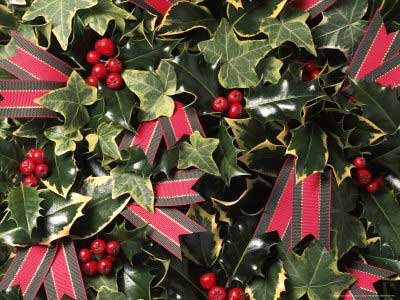 |
Holly, Ivy and Mistletoe are seen growing wild in the Irish countryside. They were originally used in pre-Christian times to help celebrate the Winter Solstice Festival, to ward off evil spirits and to celebrate new growth. When Christianity came into Western Europe, some people wanted to keep the greenery and to give it Christian meanings. The United Kingdom and Germany were the main countries to keep the use of the greenery.
The Christian meaning of holly, with it's prickly leaves, represents the crown of thorns that Jesus wore when he was crucified. The berries are the drops of blood that were shed by Jesus because of the thorns.
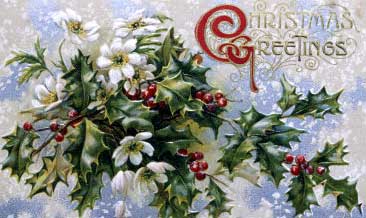 |
In pagan times, holly was thought to be a male plant and ivy a female plant. An old tradition from the Midlands of England says that whatever one brought into the house first over winter, tells you whether the man or woman of the house would rule that year. But it was unlucky to bring either into a house before Christmas Eve.
Ivy has to cling to something to support itself as it grows. It's Christian meaning reminds us that we need to cling to God for support in our lives.
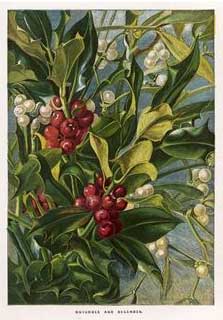 |
Mistletoe is a plant that grows on willow and apple trees. The practice of hanging it in the house goes back to the times of the ancient Druids. It is supposed to possess mystical powers which bring good luck to the household and ward off evil spirits. It was also used as a sign of love and friendship, and the custom of kissing under mistletoe comes from England. The original custom was that a berry was picked from the sprig of mistletoe before the person could be kissed and when all the berries had gone, there could be no more kissing.
When the first Christians came to Western Europe, some tried to ban the use of mistletoe as a decoration in churches, but many still continued to use it. York Minster Church in the United Kingdom used to hold a special Mistletoe Service in the winter, where wrong doers in the city of York could come and be pardoned.
The name mistletoe comes from two Anglo Saxon words 'Mistel', which means dung, and 'tan', which means twig or stick. So the literal translation of mistletoe brings a rather unsavory image to mind, and about as far away from romantic as you can get.

Irish Coffee & Tea
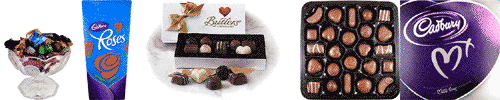
Irish Chocolate

Become a fan of LittleShamrocks.com
on FaceBook


An Lar Community Television Ireland

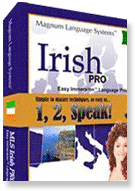
Irish Immersion Pro
A Simple Way to Master the Irish Language
Slash Your Energy Bill
Wind & Solar Power
How-to Guides

Wind & Solar Power
How-to Guides
WATERFORD
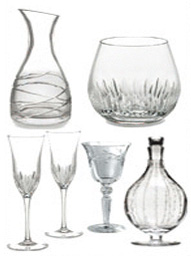

Terry's Favorite
Ireland Book!
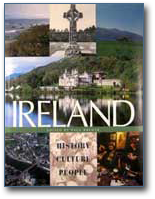
Ireland: History,
Culture, People
Ireland Book!
Ireland: History,
Culture, People
Buy Maple Syrup
& Maple Candy
Disclaimer: LittleShamrocks.com is an affiliate website that receives commissions from sales of the products listed. We have purchased and sampled many, but not all, of the products on these pages.

© Copyright LittleShamrocks.com. All Rights Reserved.